Writers Block
My weekly post for writers
Writing can be a lonely business.
My weekly posts aim to bridge that gap between writers with thoughts and ideas to prompt reactions.
Why not join like-minded folk willing to be part of your #writingcommunity.
Join me on BlueSky: @PhilSpeculates
HOW Authors Benefit from Podcasts
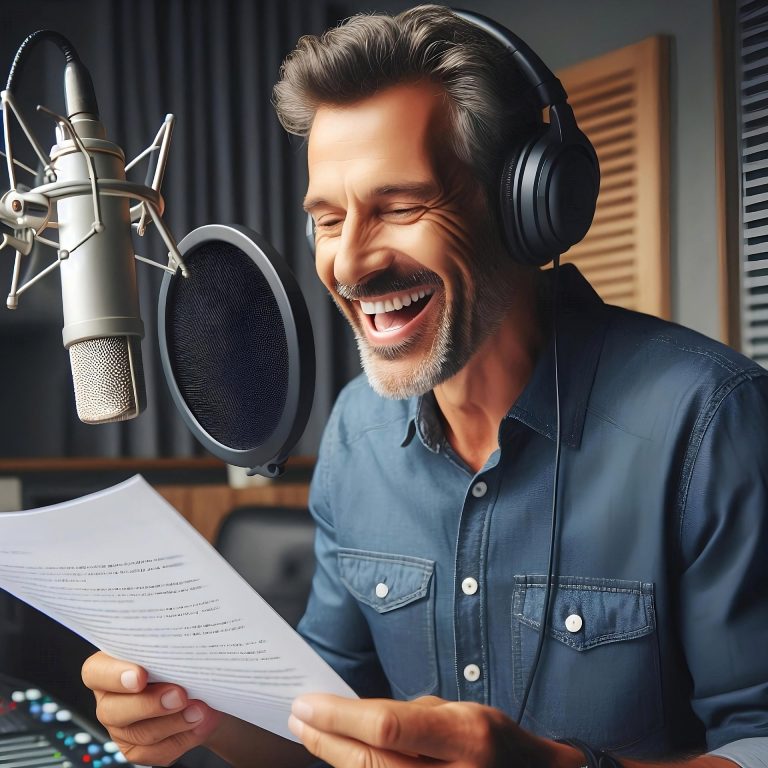
After chatting to some of my author friends, I’ve started my own podcast. I’ve been assured how it can attract attention from readers who might otherwise pass me by – and there’s lot that do just that! I’ve curated some advice from varied sources to establish the value of an author’s podcast – here’s what I found.
Writer’s Digest wrote about this topic a couple of years ago, at the outbreak of the podcast revolution.
‘Niche advantage’ is a factor all speculative fiction writers will understand, readers of certain genres can often be fiercely loyal and enjoy diving into the why and wherefore of that mode of storytelling.
‘Podcasters can reach all the little pockets of listeners spread across the globe without anyone leaving their home.’
The niches I’m talking about here are the sub-cultures who read the increasing quantity of fantasy genres – being it gaslamp, flintlock, noir, arcane punk and so on. Read the reviews and you’ll see how reviewers enjoy discussing the tropes, the world building, the characters and plot premises that exist in these genres. Podcasts enhance the potential for such discussion.
Audience Expansion is another benefit. Increased use of mobile technology allows readers to “tune in” for ‘passive listening’ – those moments when attention isn’t needed elsewhere. Look at your fellow passengers on buses and trains on the way to work, they’re likely listening to a podcast.
‘There is a tier of listeners called ‘Super Listeners,’ which is a loose industry term meaning people who consume 10-15+ hours of podcast content per week.’
Another advantage is that podcasts are quickly and easily shareable. Links to episodes can be copied to Instagram stories and reposted. Or you can post a trailer of your upcoming podcast or put the episode behind a paywall. You can release the first chapter of an audio book for free, placing the rest as pay-to-download.
Multiple streams of income! While your podcast might be used to promote your stories and “tease” readers into buying your books, a podcast can serve another purpose.
‘Podcast can offer direct income, through ad sales and Patreon accounts (where listeners can pay for additional content and make donations). Podcasts need at least 1,000 downloads per episode to be considered for advertising.’
You might consider working directly with businesses to sell ad space on your episodes, or monetize the podcast via your distributor, such as Audioboom, Acast or Anchor. The crucial factor here is to examine how your attract listeners, increasing your audience to increase revenue. Obviously, that can impact on direct sales too. Key point? Know your audience. Give them what they want.

Networking is a crucial concept for all authors. Things work best when you collaborate.
‘Sharing each other's podcast links on social media doesn’t [have to] cost anything and is a great way to gain contacts, support other podcasters, and promote work to wider audiences.’
The podcasting author might interview writer friends about their books, feature reviews/ARCs of their latest book, organise panels where you collectively debate issues in your niche. If you include writers with a strong following, listeners may keep coming back to you and boost your audience ratings.
Accessibility is another huge benefit. It’s easy.
‘Podcasts can usually be recorded at home with relatively inexpensive equipment and internet hosting fees are typically in the $0-$10 per month range.’
The software is use is Audacity, it’s open source and free. It’s dead easy to use, literally click record and play. It does more than that, with numerous channels you can lay down other tracks (like music under your reading). As you grow in confidence, you can become more sophisticated. Microphones (with a stand!) can be purchased for under £20. Quality of sound is important obviously but don’t go crazy immediately. I love my Snowball mike (£70) which has fantastic quality, is sturdy and easy to set up. Uploading to hosts can be free too -like Spotify. From their platform you can then access Apple, Amazon and lots more. The dashboard displays your data so you can work out what’s working.
Finally, who is going to read your work? You? Can you read in a manner which engages your audience? Is your voice interesting to listen to? If not, can you find someone who can deliver a good reading? You might employ a voice actor but that can be costly – perhaps a goal for later on in your podcasting career. With my acting background, I’ve not only found it to be advantage – I love it!! My chance to rediscover my love of acting!
A very final point – I’ve found this to be true from several sites – recording your stories enhances your writing. You hear the story, an advantage we don’t always have. The audio approach, rather than the works-on-paper approach provides a different experience. Use it!